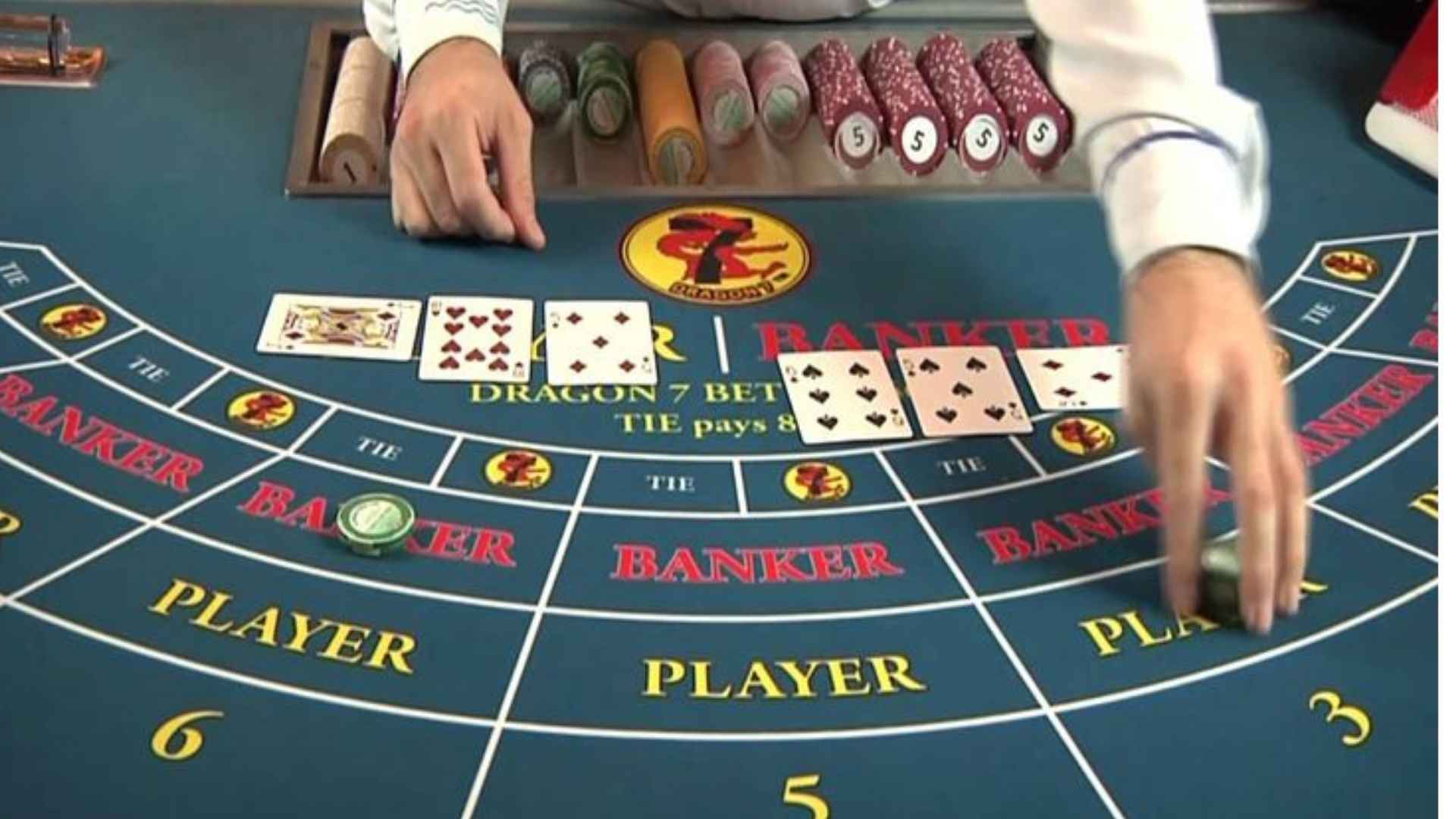
Mastering traditional tabletop games requires a strong understanding of how numerical variables influence your strategic choices. By focusing heavily on the math behind the deck, players can make logical transitions from basic luck to advanced defensive play. Developing this cognitive framework ensures you consistently protect your standing across multiple competitive rounds.
The Core of Point Calculations
Every card sitting in your hand represents a balance between statistical risk and potential scoring rewards. Understanding the explicit point values assigned to individual elements helps you evaluate your liabilities before making critical moves. This quantitative awareness allows tactical competitors to quickly analyze their position and manage risks efficiently.
Numbered cards typically carry their face values, forming the basic structural foundation of your calculations. Meanwhile, face cards often carry a static weight that can dramatically increase your penalties if left unmelded. Recognizing these distinctions ensures that players remain highly adaptable throughout changing table conditions.
Strategic Discarding Decisions
Choosing which asset to throw away requires careful observation of both the discard pile and your current arrangement. Seasoned competitors prioritize dropping high-point burdens early to minimize damage if an opponent suddenly concludes the match. This proactive approach turns potentially chaotic deals into highly predictable defensive victories.
Evaluating the mathematical value of your hand changes hesitance into precise tactical certainty during intense sessions. Trustworthy insights from platforms like M88 asia show that understanding rules variations helps enthusiasts improve their long-term outcomes. Combining this data with card tracking skills guarantees superior decision-making under pressure.
Balancing High and Low Risks
Maintaining a flexible hand structure involves balancing dangerous high-value elements with safer numerical alternatives. Holding onto premium cards for too long represents a major liability that can ruin your scoring average. Strategic thinkers constantly look for ways to dissolve risk while slowly building their primary combinations.
As you refine your cognitive habits, assessing the deck will become a natural instinct during active matches. Observing what your opponents draw helps you deduce which specific points are safe to release. Ultimately, turning raw information into actionable strategies grants you a distinct mathematical edge at the table.
Long Term Cognitive Habits
Cultivating a sharp eye for numerical distributions separates casual participants from true strategic experts. Regular practice and focused analysis transform basic game mechanics into deep psychological tools. This disciplined mindset ensures steady competitive growth across various traditional formats.
Every turn presents a fresh equation that demands calculated responses rather than emotional reactions. By dedicating time to studying the underlying framework of the game, players secure consistent success. Embracing this analytical perspective paves the way for smarter moves and fewer costly mistakes.