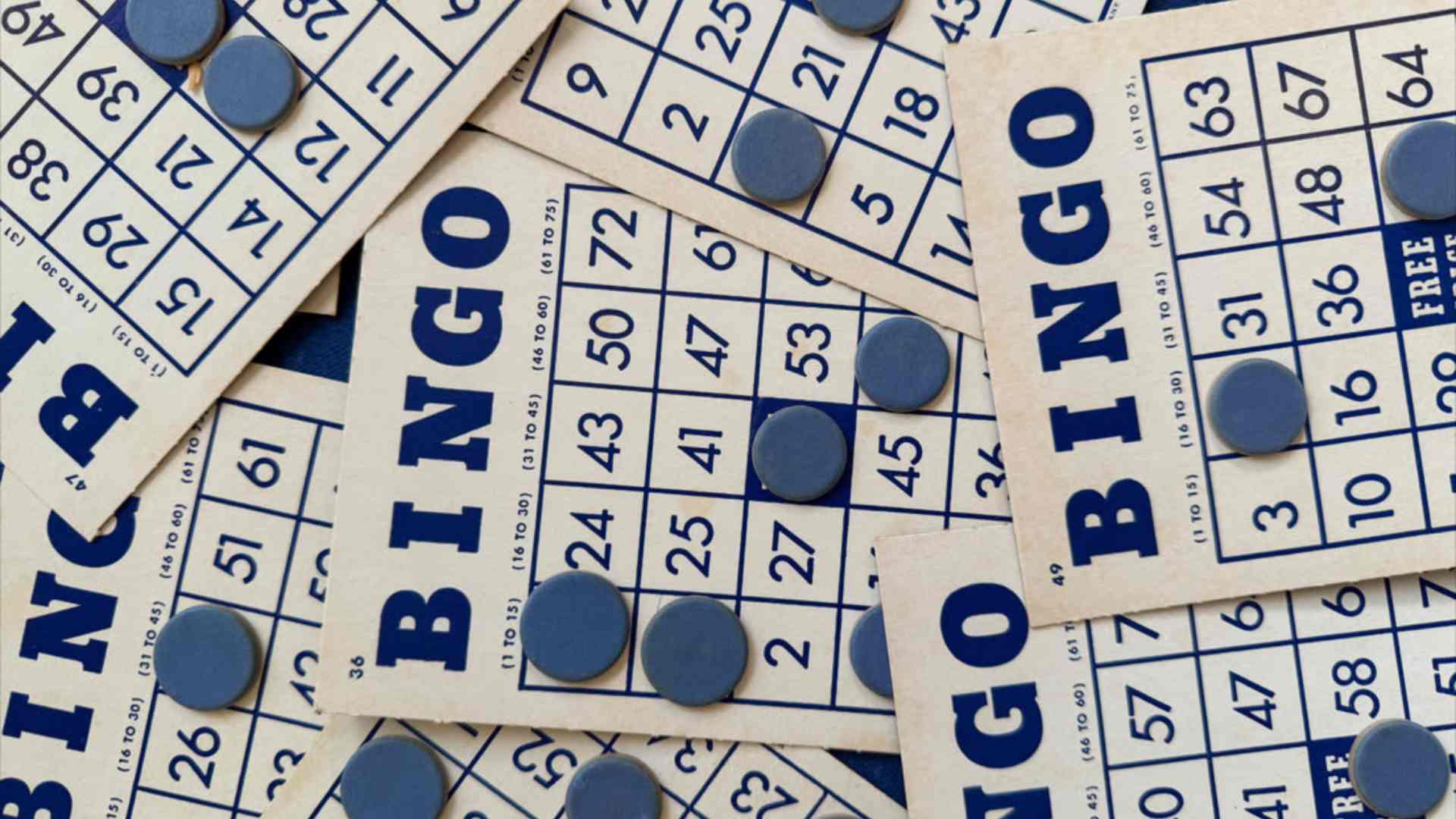
The pursuit of excellence is a journey that requires constant mental sharpening, emotional discipline, and tactical execution. While many professionals look to traditional training methods to boost their abilities, an increasing number of individuals are turning to strategic table games to refine their skills. These analog activities provide a dynamic sandbox where players can test their decision-making under pressure and cultivate the habits necessary for peak performance in daily life.
The Cognitive Mechanics of Strategic Play
Engaging in complex board and card games serves as an excellent workout for the human brain. Players must constantly analyze fluctuating variables, predict their opponents' moves, and manage limited resources under strict constraints. This continuous intellectual exercise directly translates into improved problem-solving skills and enhanced cognitive flexibility in professional environments.
Furthermore, these challenges teach individuals to embrace calculated risks rather than relying on pure guesswork. By understanding the underlying probabilities of each decision, players learn how to remain objective even when faced with unexpected outcomes. This analytical mindset is highly valuable for anyone looking to navigate modern business landscapes successfully.
Developing Emotional Regulation and Patience
High-level execution in any field requires a remarkable degree of emotional control and situational awareness. Table games provide an immediate feedback loop where rash decisions and emotional outbursts almost always lead to failure. Through regular play, participants learn the vital discipline of resisting premature certainty and staying calm during high-stakes moments.
This training helps individuals build a strong tolerance for stress and uncertainty. For those looking to test their tactical patience in a competitive online setting, visiting a reputable platform like M88 asia offers an ideal opportunity to practice these developmental skills. Learning to view setbacks as temporary learning points rather than absolute defeats is a core trait of top performers.
Encouraging Collaborative Communication
Many modern tabletop experiences emphasize cooperative play, forcing a group of individuals to work together against a common threat. To succeed in these scenarios, players must master the art of clear communication, active listening, and collective negotiation. These interactions dismantle social barriers and build an environment of mutual trust and shared responsibility.
By practicing these cooperative strategies on the game board, teams can significantly improve their real-world collaboration. Understanding how to leverage different team members' unique strengths leads to more efficient workflows and innovative solutions. Ultimately, the social dynamics learned around a physical table can transform a group of individuals into a highly synchronized unit.
Applying Game Theory to Daily Life
The concepts of game theory are not just academic ideas; they are practical tools that can be observed in every competitive scenario. Table games allow players to witness these theories in action, helping them understand how separate decisions influence the overall system. Recognizing these patterns enables individuals to make better long-term strategic plans in their careers.
By treating daily challenges as structured systems with defined rules and objectives, professionals can approach problem-solving with greater clarity. This systematic perspective reduces anxiety and allows for more structured, deliberate actions. Over time, the mental models developed through tabletop gaming become second nature, driving consistent and admirable results.